Silla de Trigo
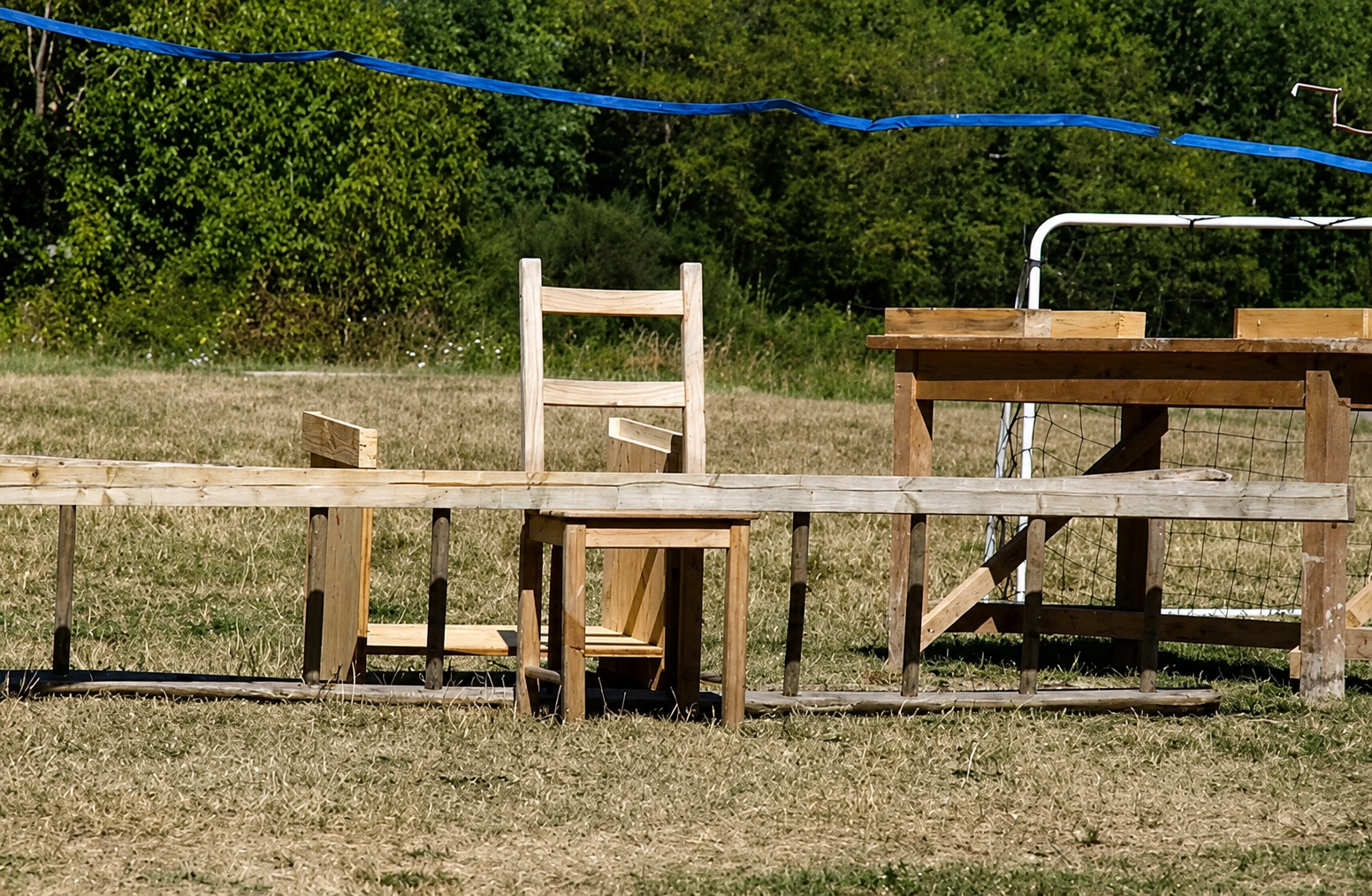
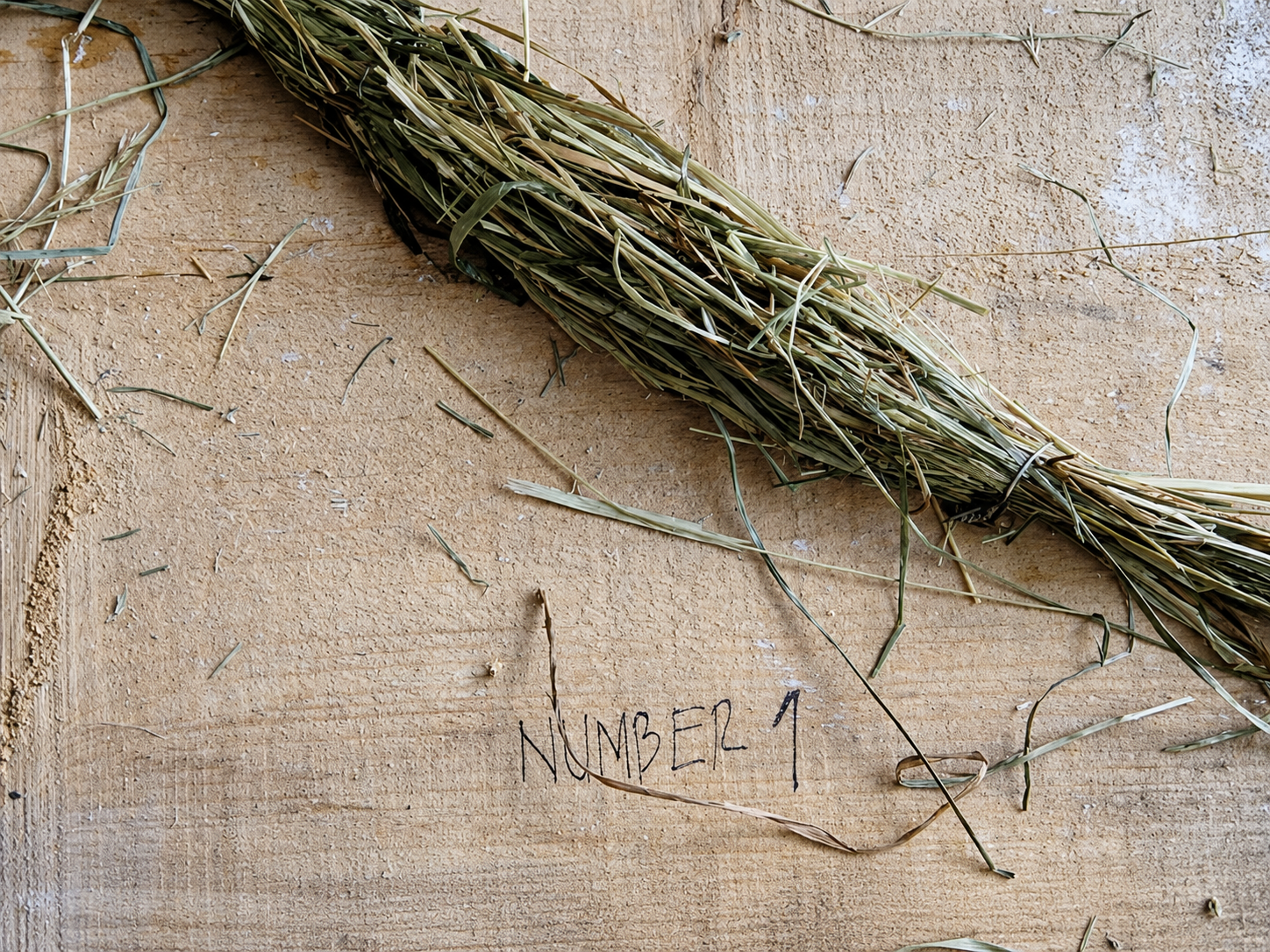
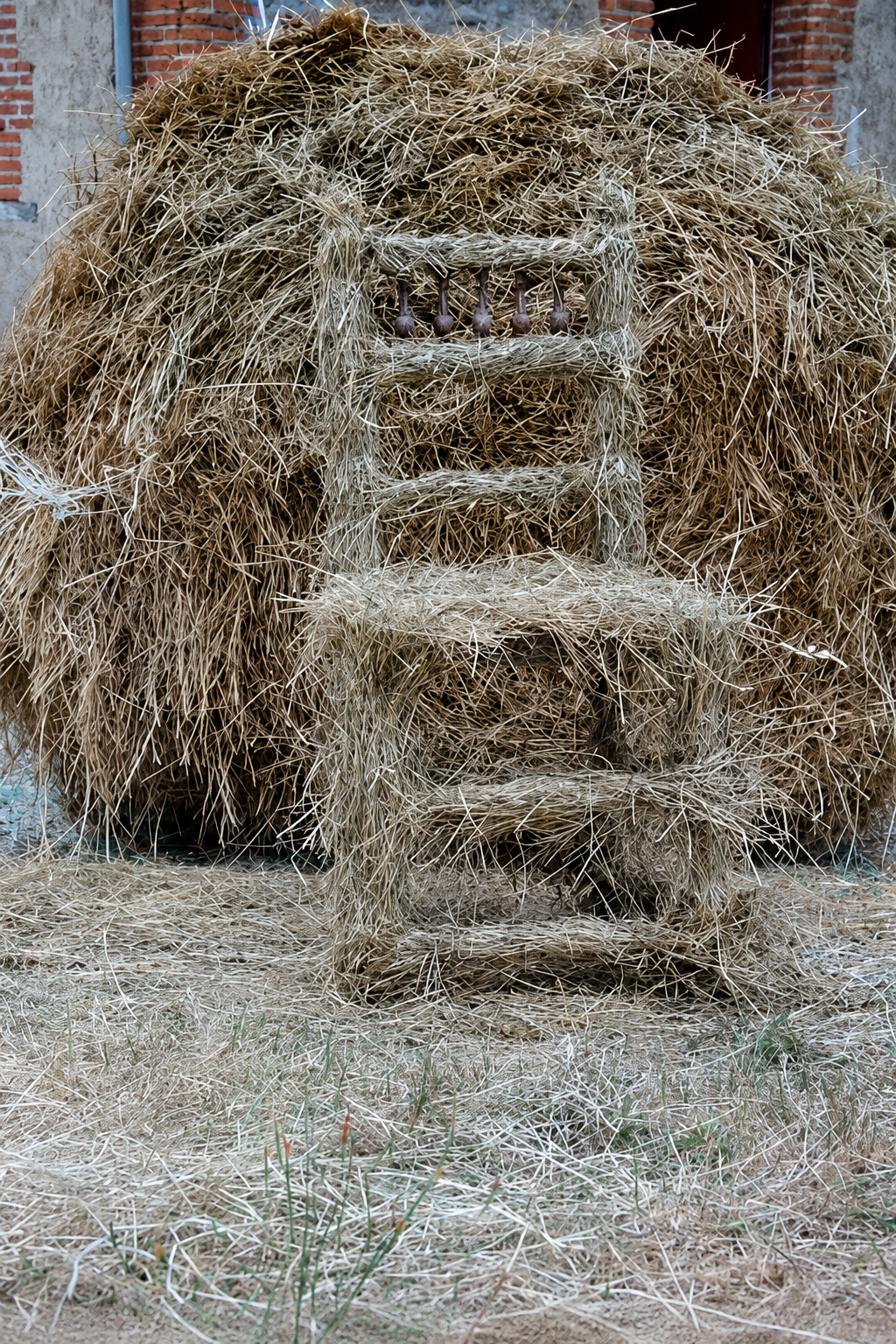
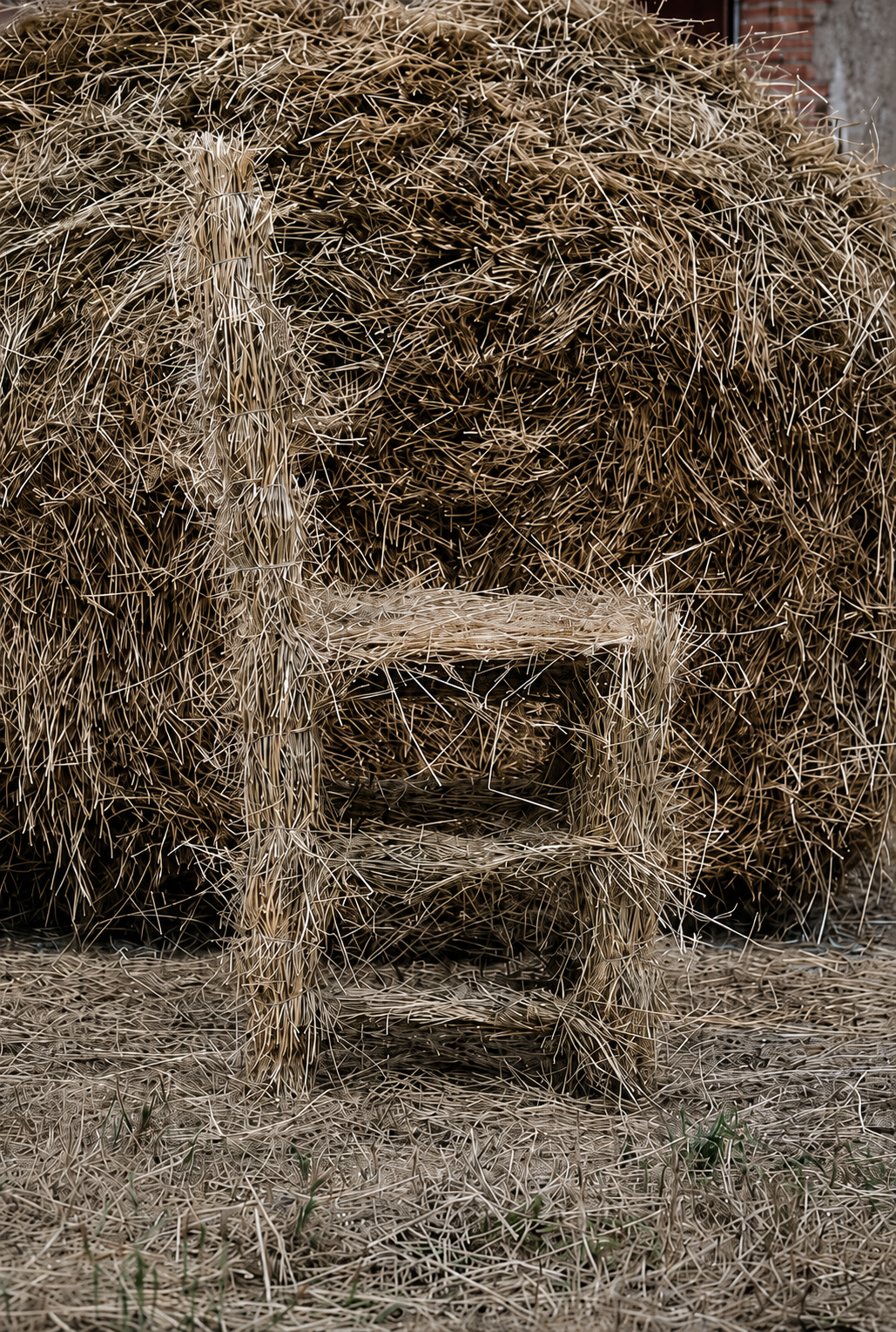
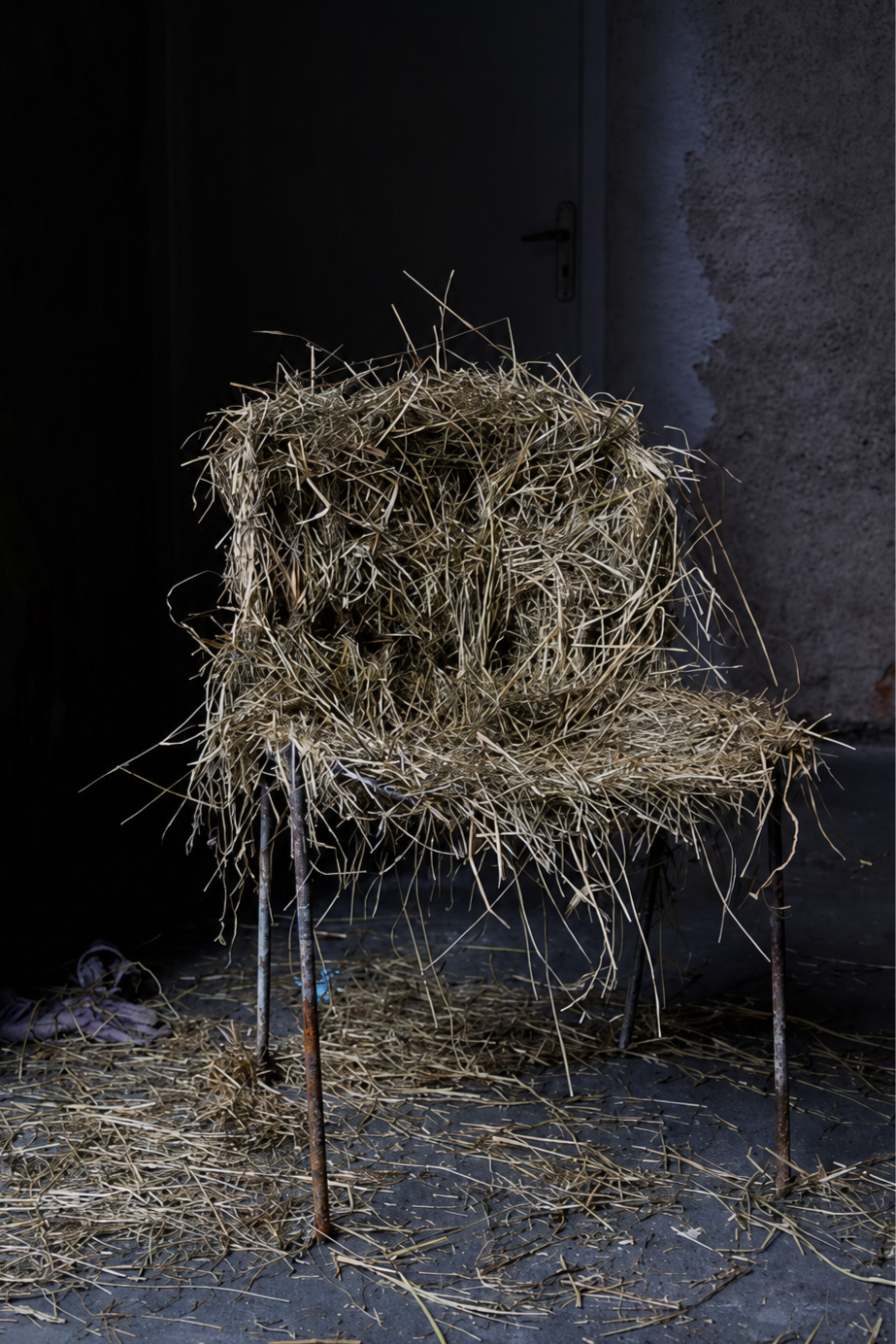
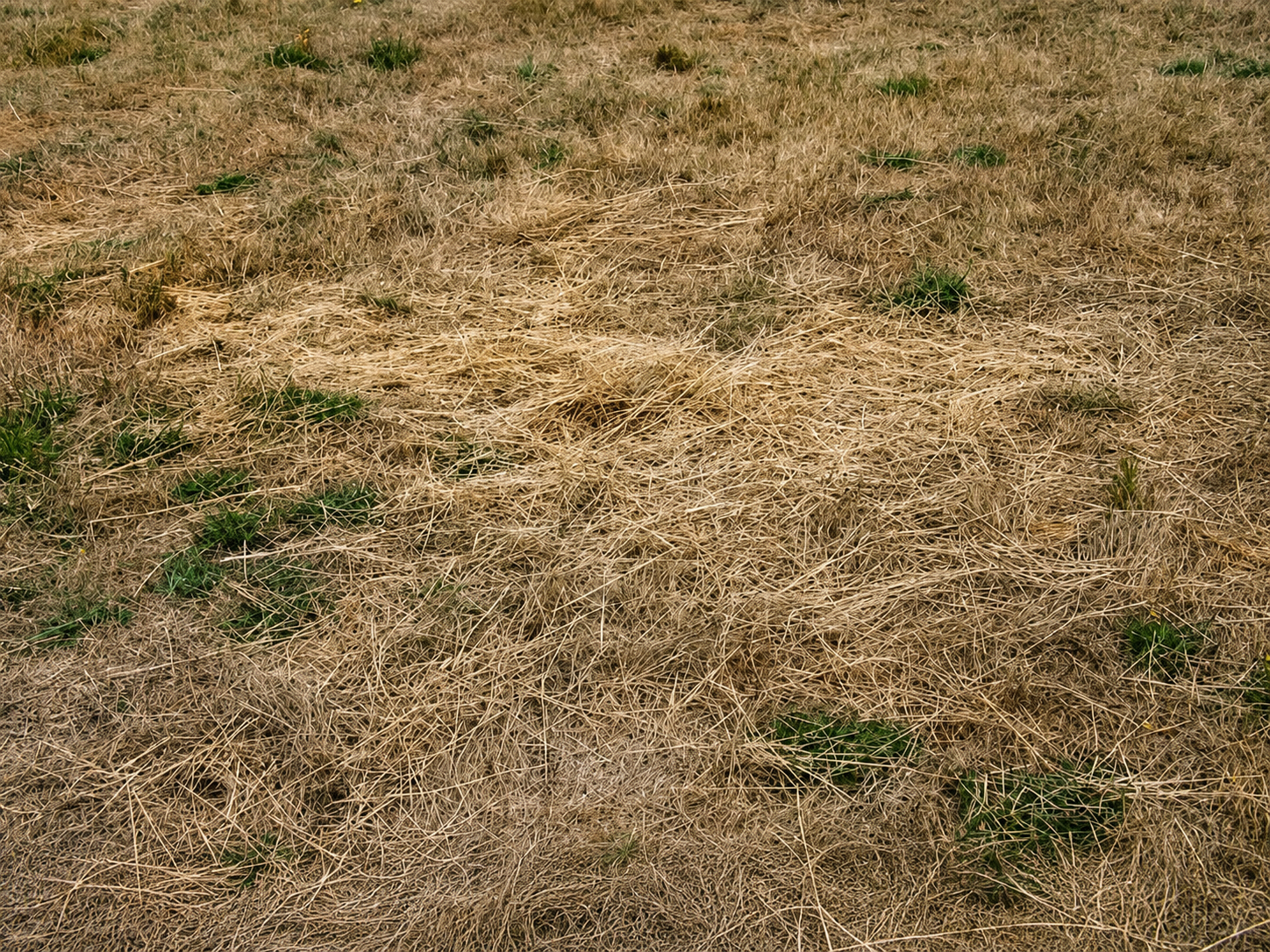
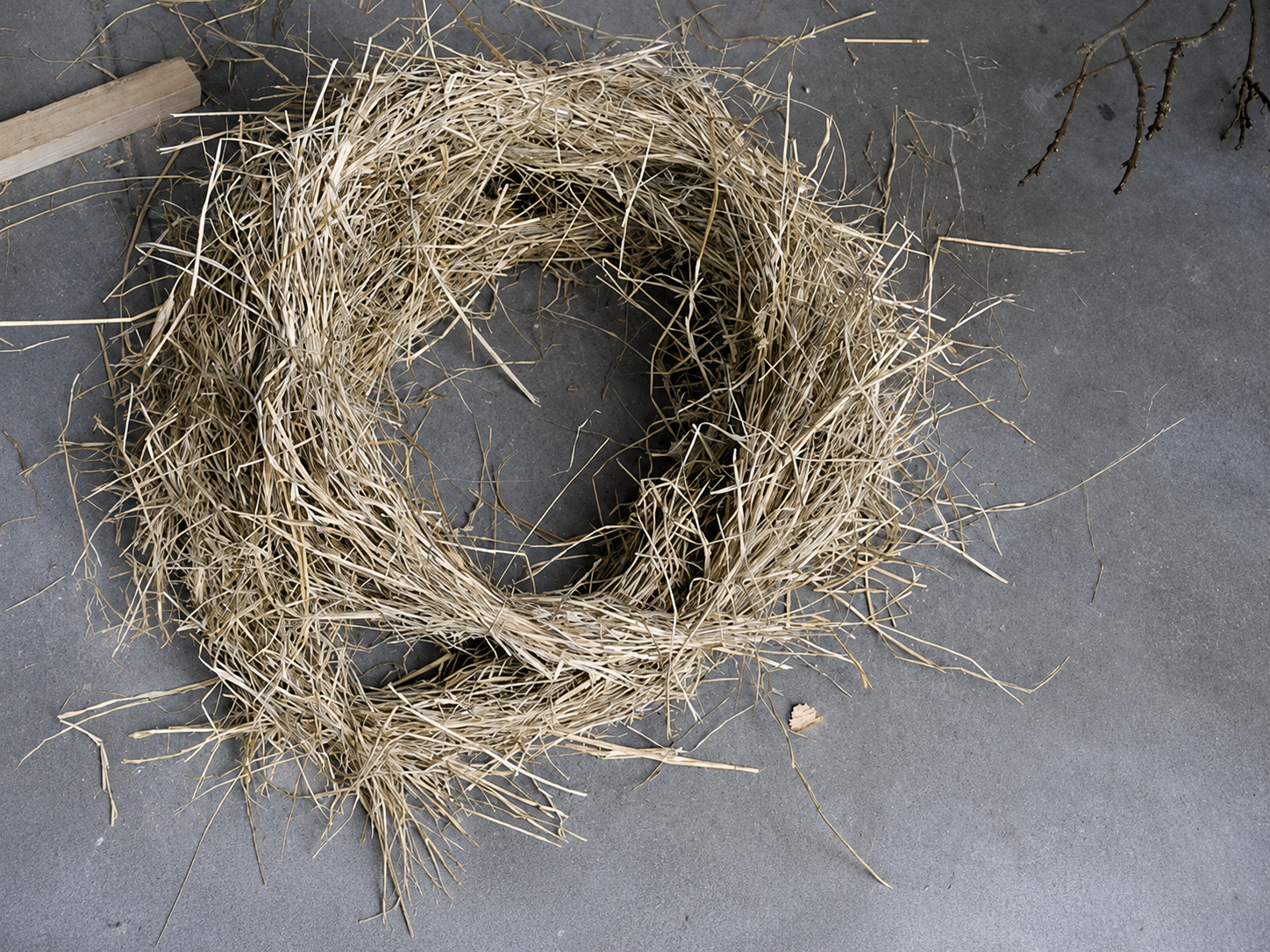
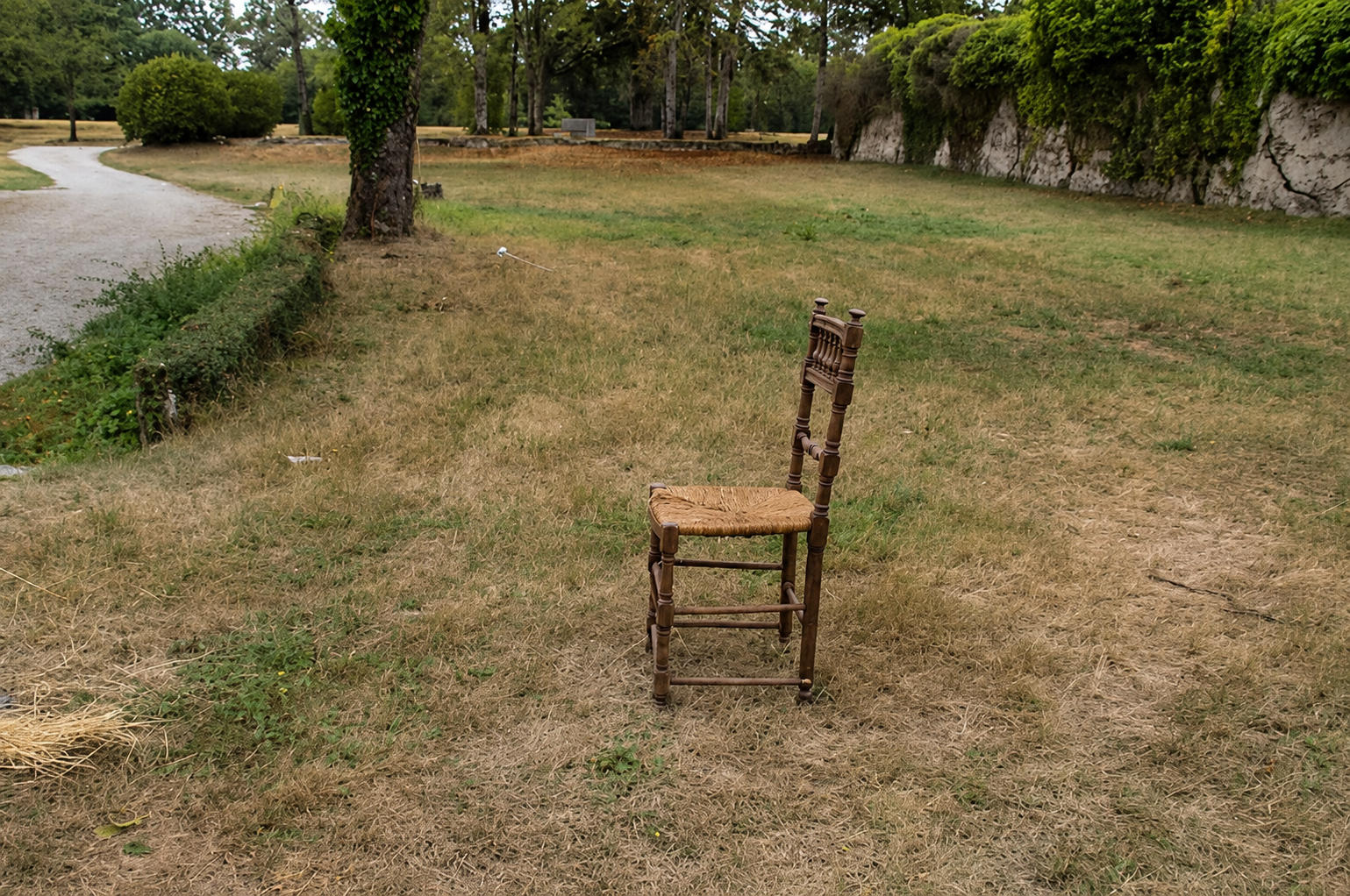
Silla de Trigo reúne dos piezas realizadas a partir de una silla tradicional de madera y una Eames Wire Chair abandonada. Ambas fueron intervenidas con paja de trigo: el tallo seco que queda después de la cosecha, una vez separado el grano.
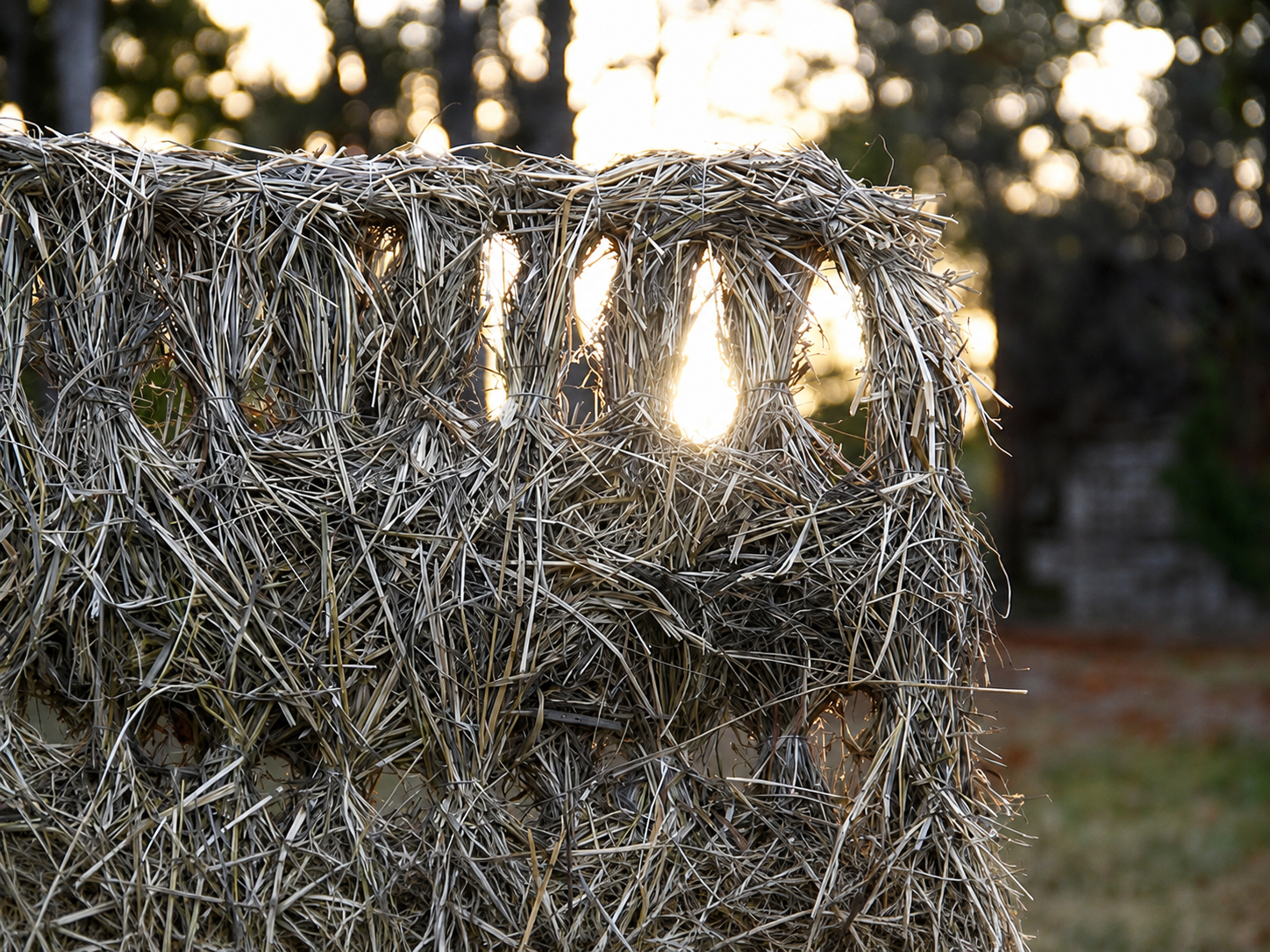
La paja aparece como una materia residual y fértil. No funciona como ornamento, sino como una segunda presencia que cubre, ocupa y transforma las estructuras existentes. Al ser tejida, atada y acumulada, modifica la silueta de las sillas y desplaza su relación con el cuerpo, el uso y el tiempo.
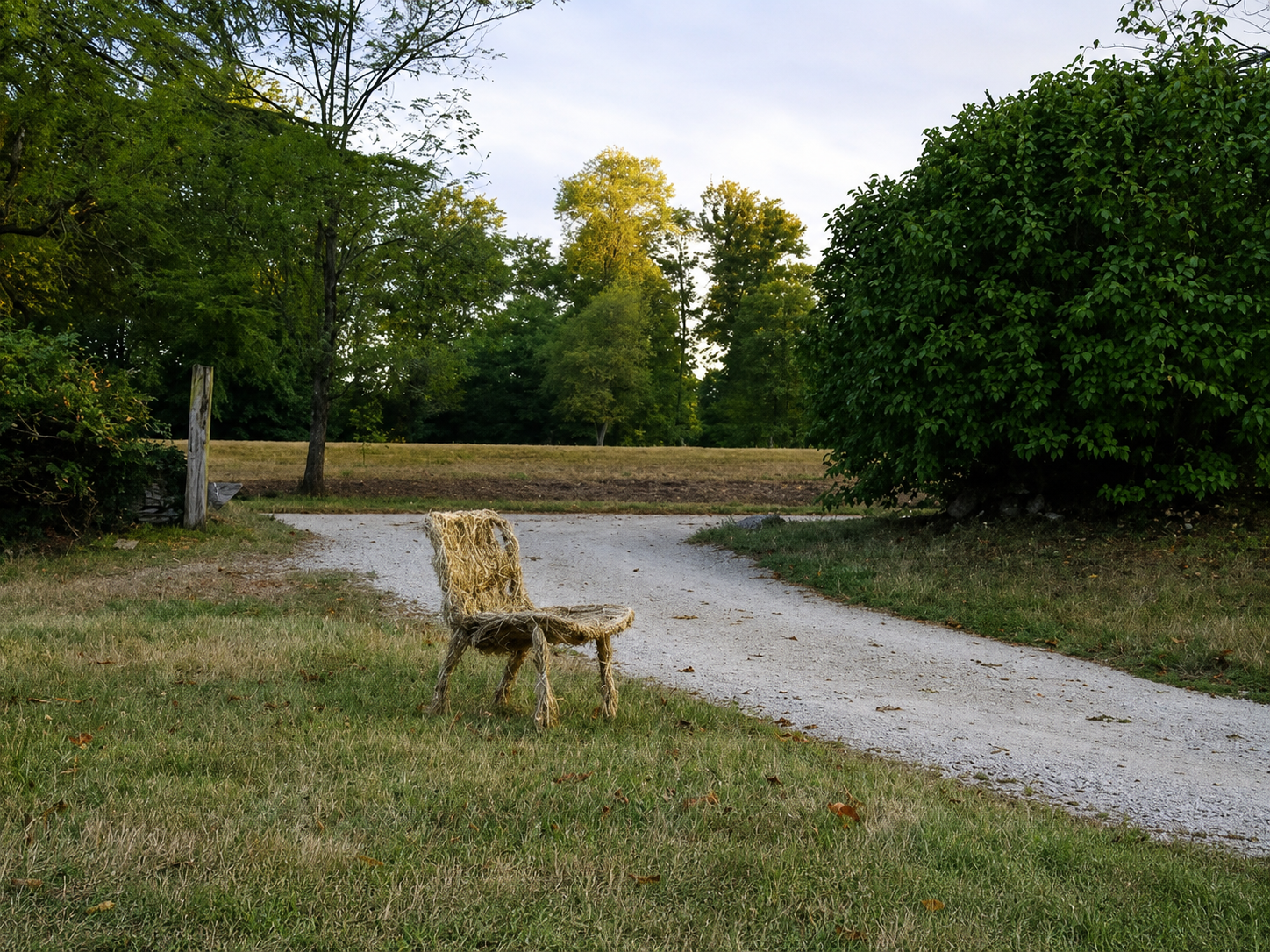
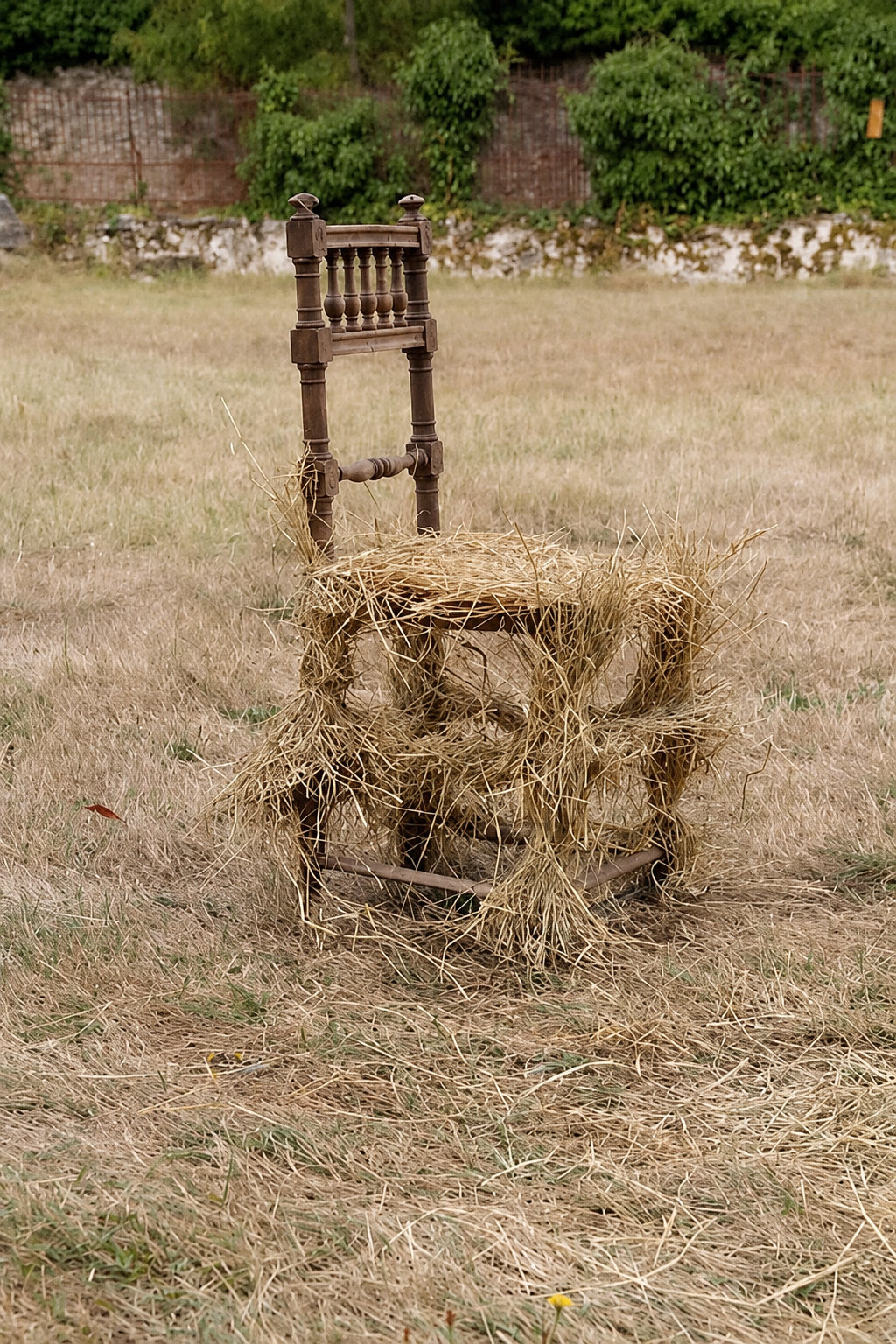
En la silla de madera, la paja envuelve una forma doméstica reconocible y la aproxima de nuevo al campo, como si el objeto regresara a una memoria anterior a su función. En la silla metálica, la retícula de la Wire Chair actúa como una armadura moderna que recibe una materia seca, irregular y orgánica. La precisión industrial queda atravesada por un resto de cosecha.
Las dos piezas ponen en relación temporalidades distintas: la silla tradicional y el diseño moderno; la madera, el acero y la paja; la estructura estable y la materia transitoria. En ese encuentro, cada elemento pierde parte de su identidad original y adquiere otra condición.
La pieza se sitúa en el cruce entre una estructura abandonada y una materia posterior a la cosecha. La paja cubre, altera y desplaza la silla sin devolverla a su función original. Lo doméstico, lo agrícola, lo moderno y lo arcaico permanecen en tensión dentro de una misma forma.
Paula Silva-Ruvalcaba
Silla de trigo, 2010
Intervenciones sobre una silla tradicional y una Wire Chair de Charles y Ray Eames
Madera, acero soldado y trigo
Dimensiones variables
Silla base: aprox. 81 × 48 × 53 cm
(alto × ancho × fondo)
Chair of Wheat
Chair of Wheat brings together two pieces made from a traditional wooden chair and an abandoned Eames Wire Chair. Both were intervened with wheat straw: the dry stalk left after the harvest, once the grain has been separated.
The straw appears as a residual and fertile material. It does not function as ornament, but as a second presence that covers, occupies, and transforms the existing structures. Woven, tied, and accumulated, it modifies the silhouette of the chairs and shifts their relationship to the body, use, and time.
In the wooden chair, the straw envelops a recognizable domestic form and brings it back toward the field, as if the object were returning to a memory prior to its function. In the metal chair, the grid of the Wire Chair acts as a modern armature that receives a dry, irregular, organic material. Industrial precision is crossed by a remnant of the harvest.
The two pieces bring different temporalities into relation: the traditional chair and modern design; wood, steel, and straw; stable structure and transient matter. In this encounter, each element loses part of its original identity and acquires another condition.
The piece is situated at the crossing between an abandoned structure and a material that comes after the harvest. The straw covers, alters, and displaces the chair without returning it to its original function. The domestic, the agricultural, the modern, and the archaic remain in tension within a single form.
Paula Silva-Ruvalcaba
Chair of Wheat, 2010
Interventions on a traditional chair and a Wire Chair by Charles and Ray Eames
Wood, welded steel, and wheat straw
Variable dimensions
Base chair: approx. 81 × 48 × 53 cm
(height × width × depth)