MATERIA
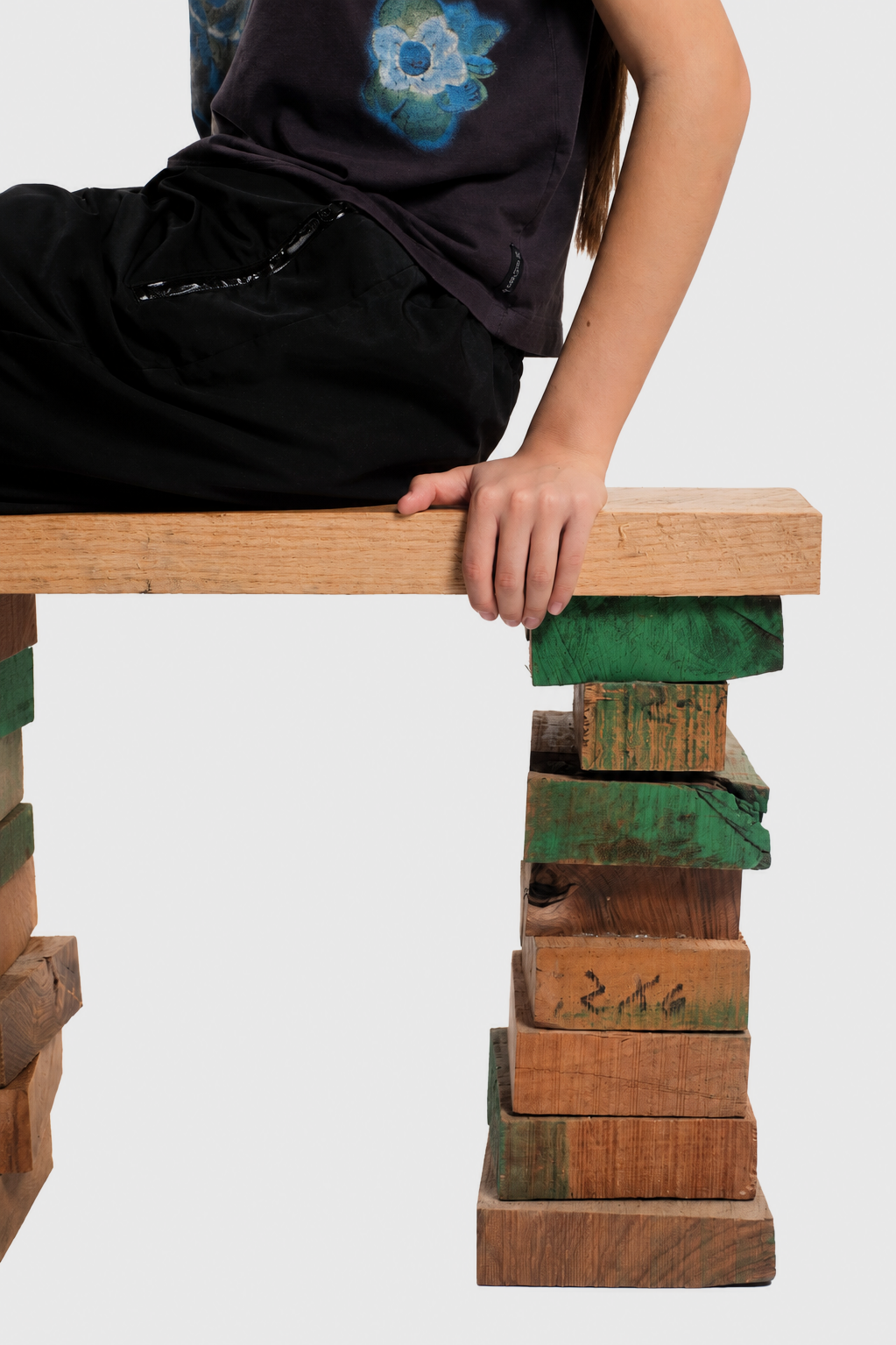
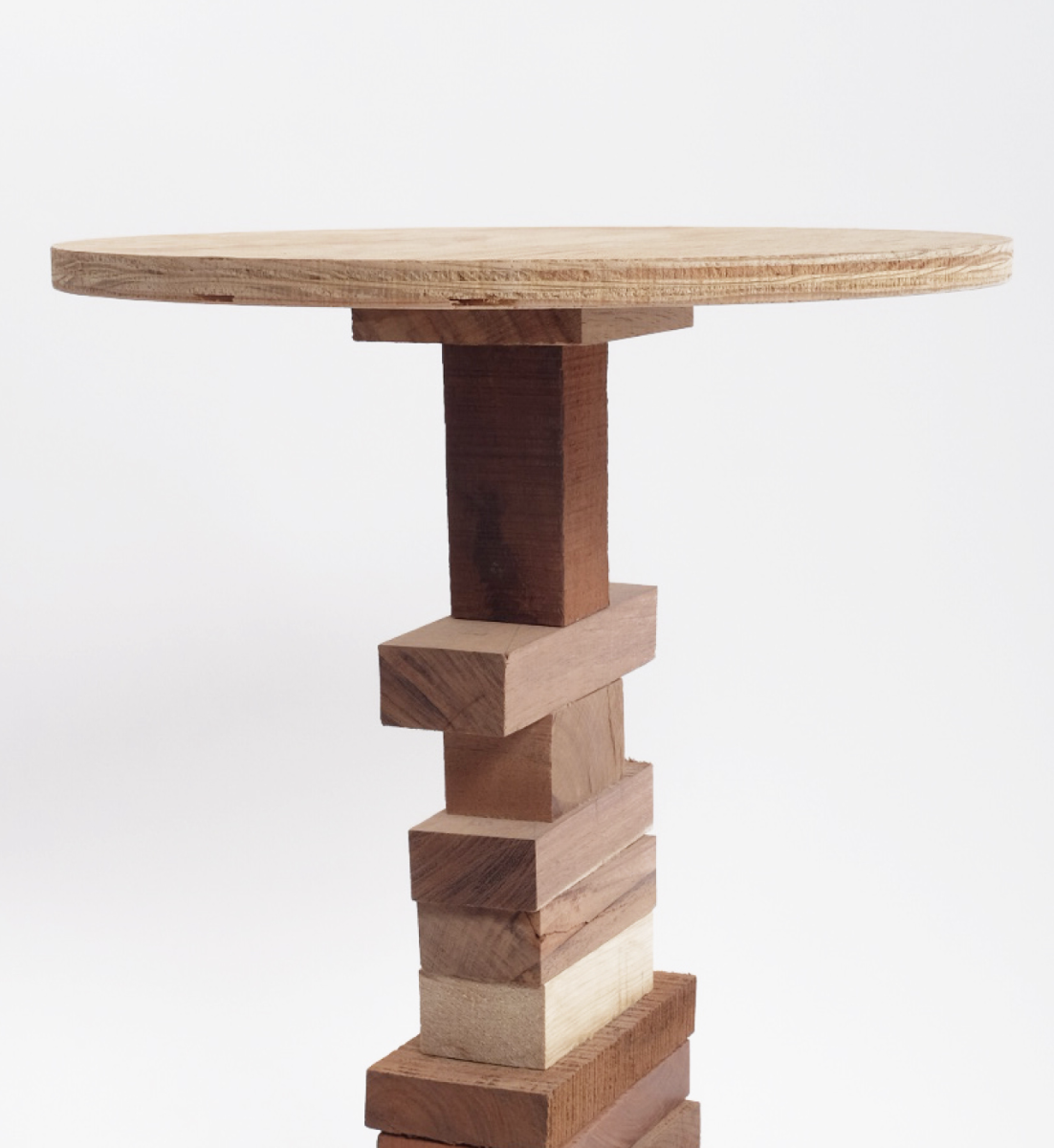
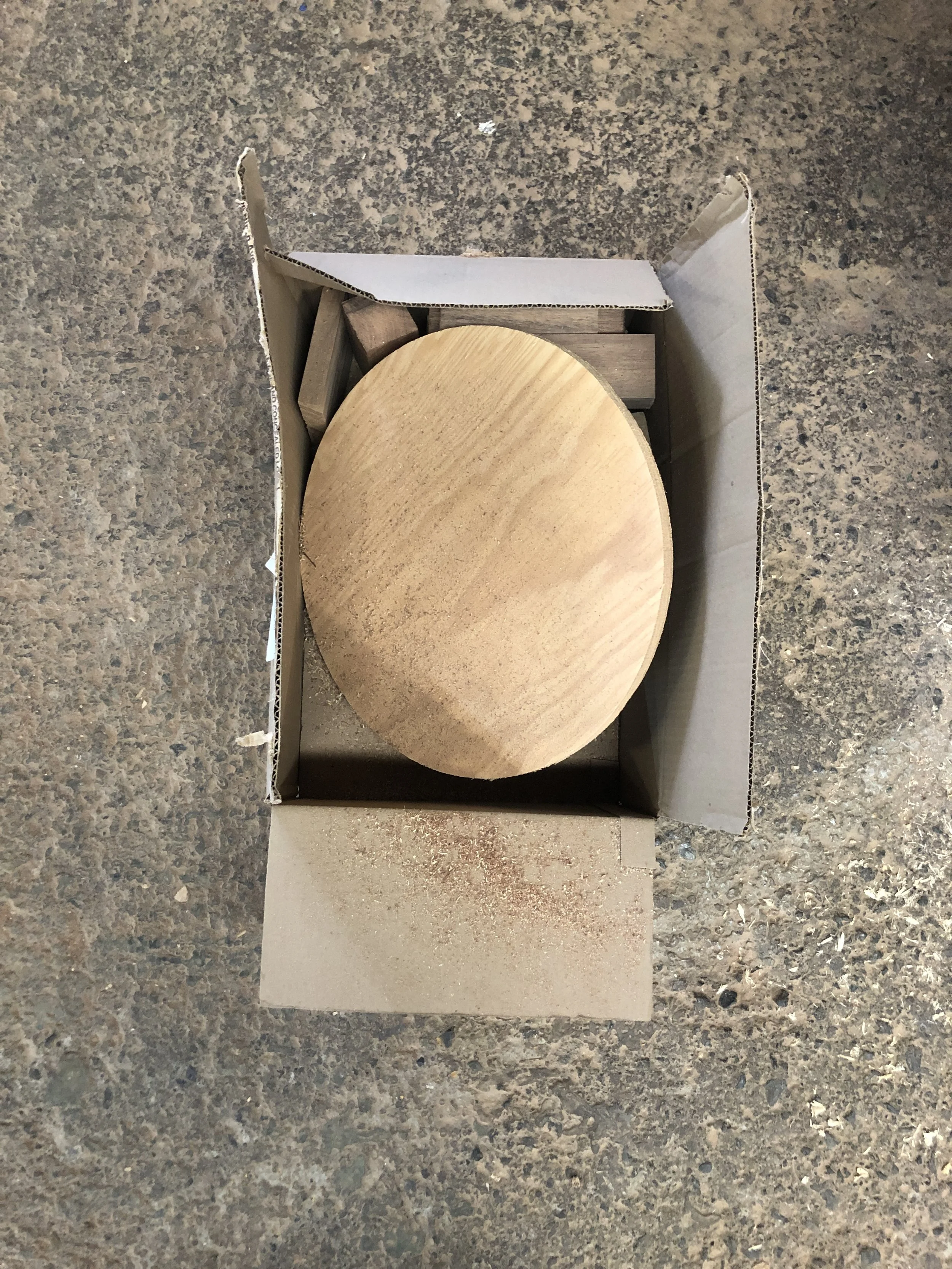
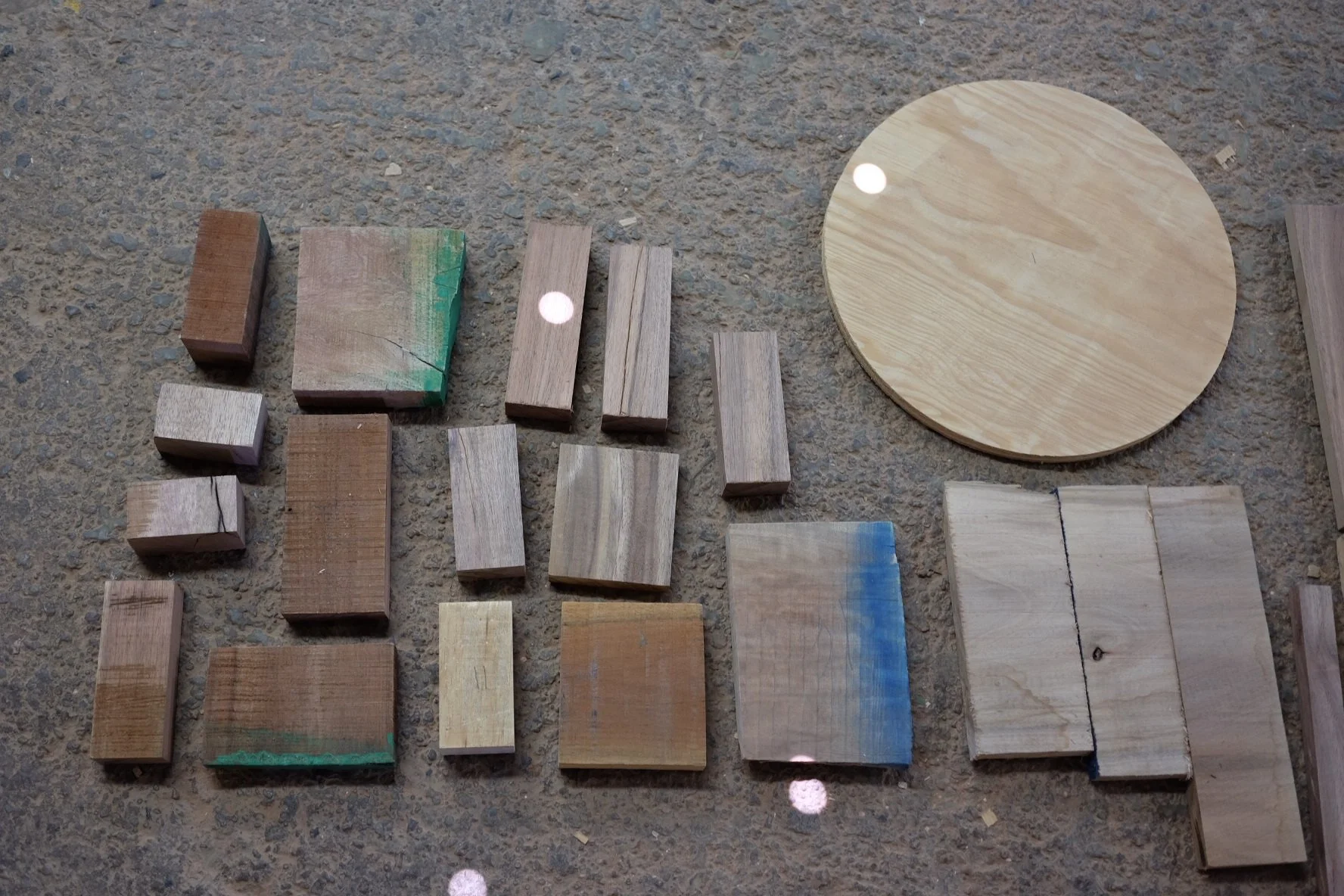
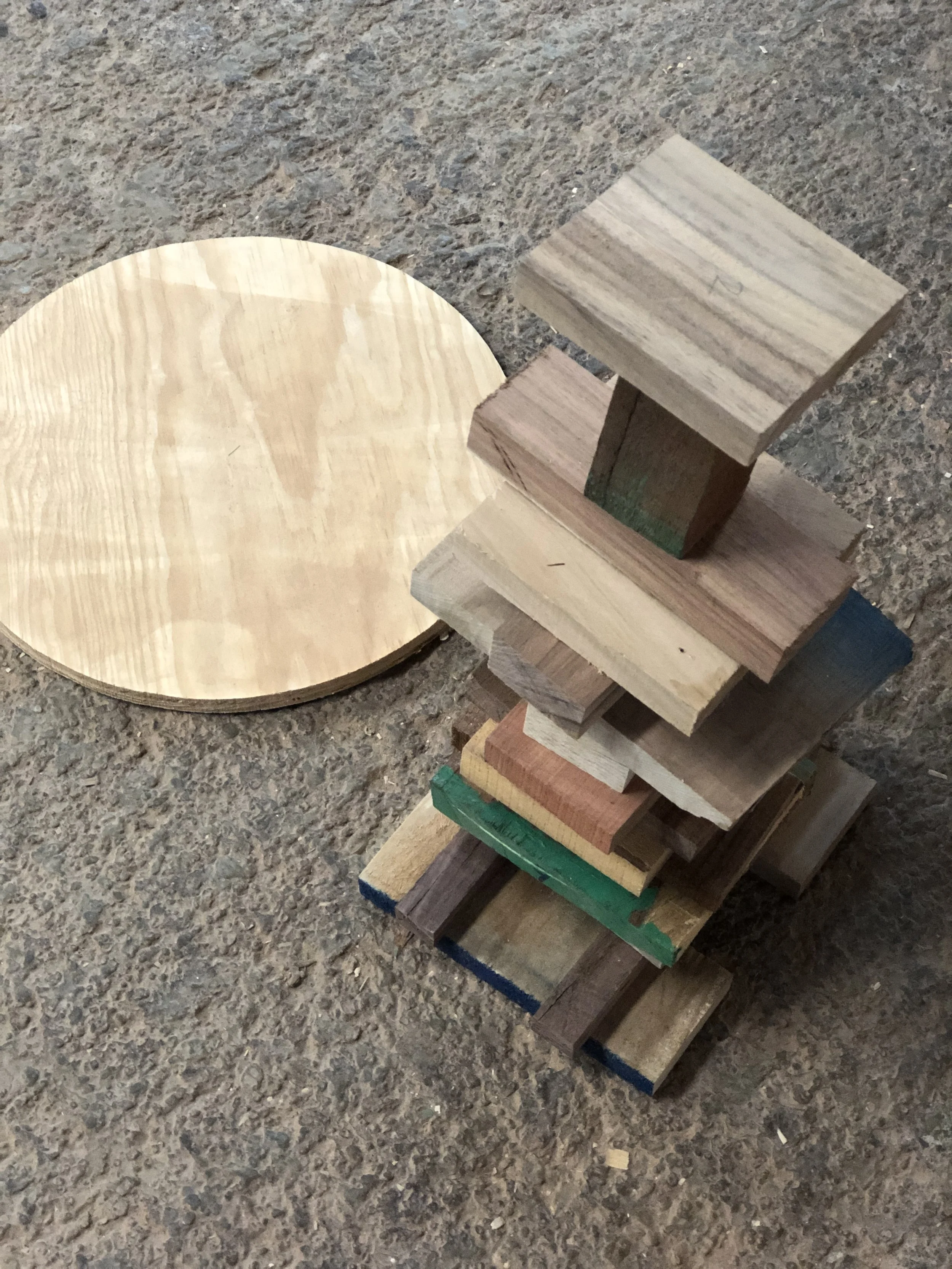
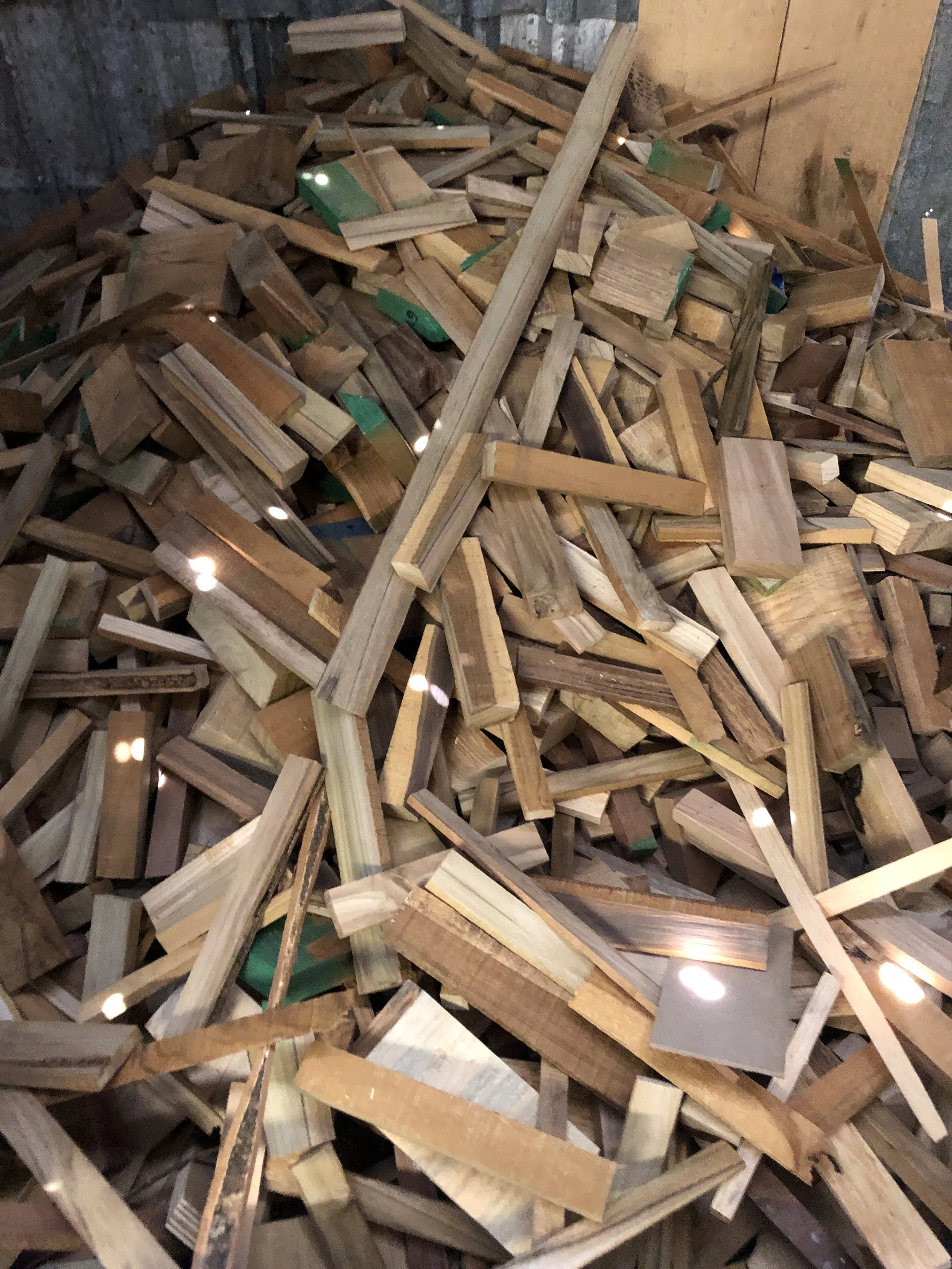
Materia es un proyecto abierto de investigación sobre la forma, desarrollado a partir de fragmentos de maderas valiosas que permanecen después de los procesos de producción de Fábrica de Muebles 1984. Recortes, pruebas y piezas incompletas conservan las huellas de otros objetos, decisiones y momentos del taller.
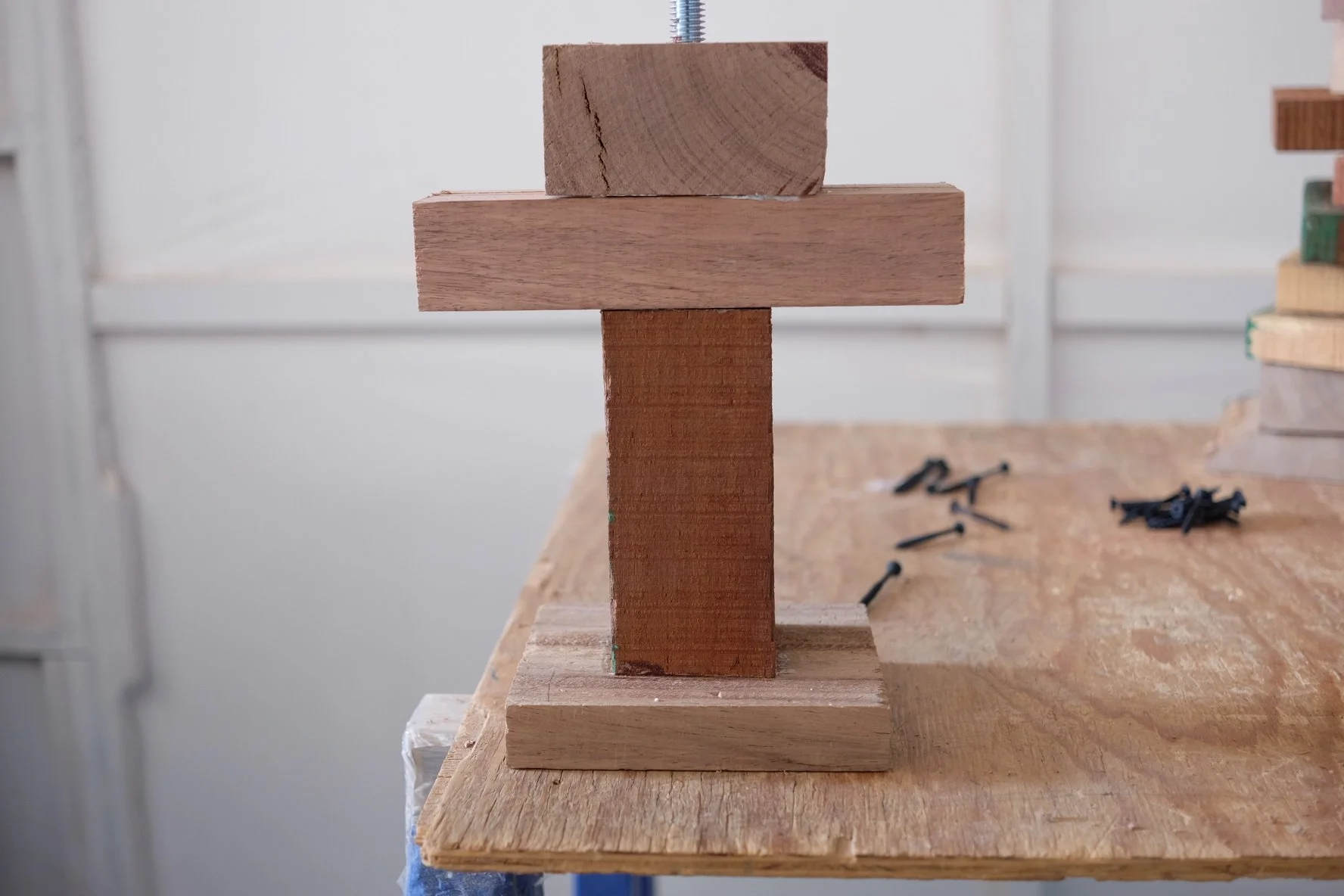
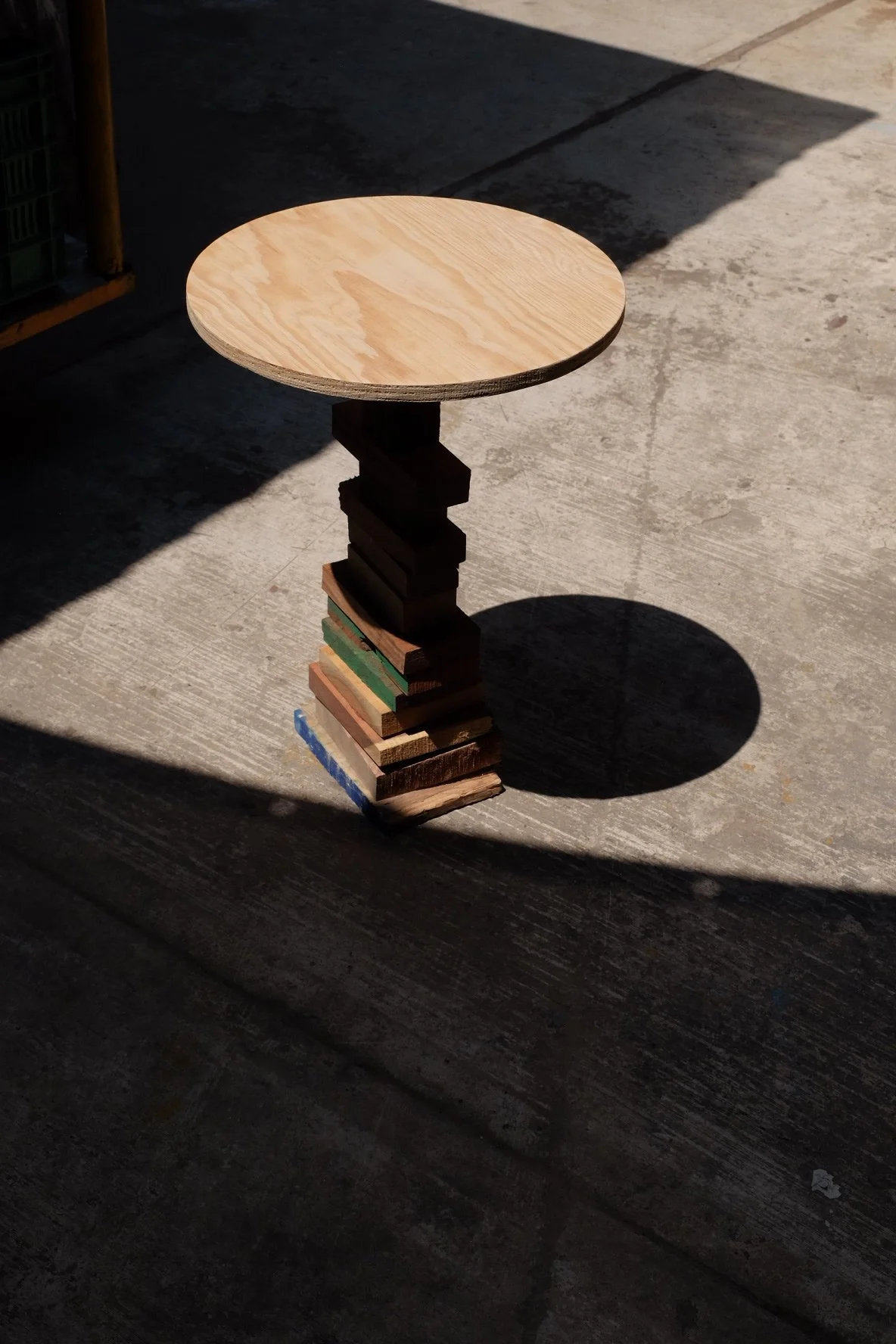
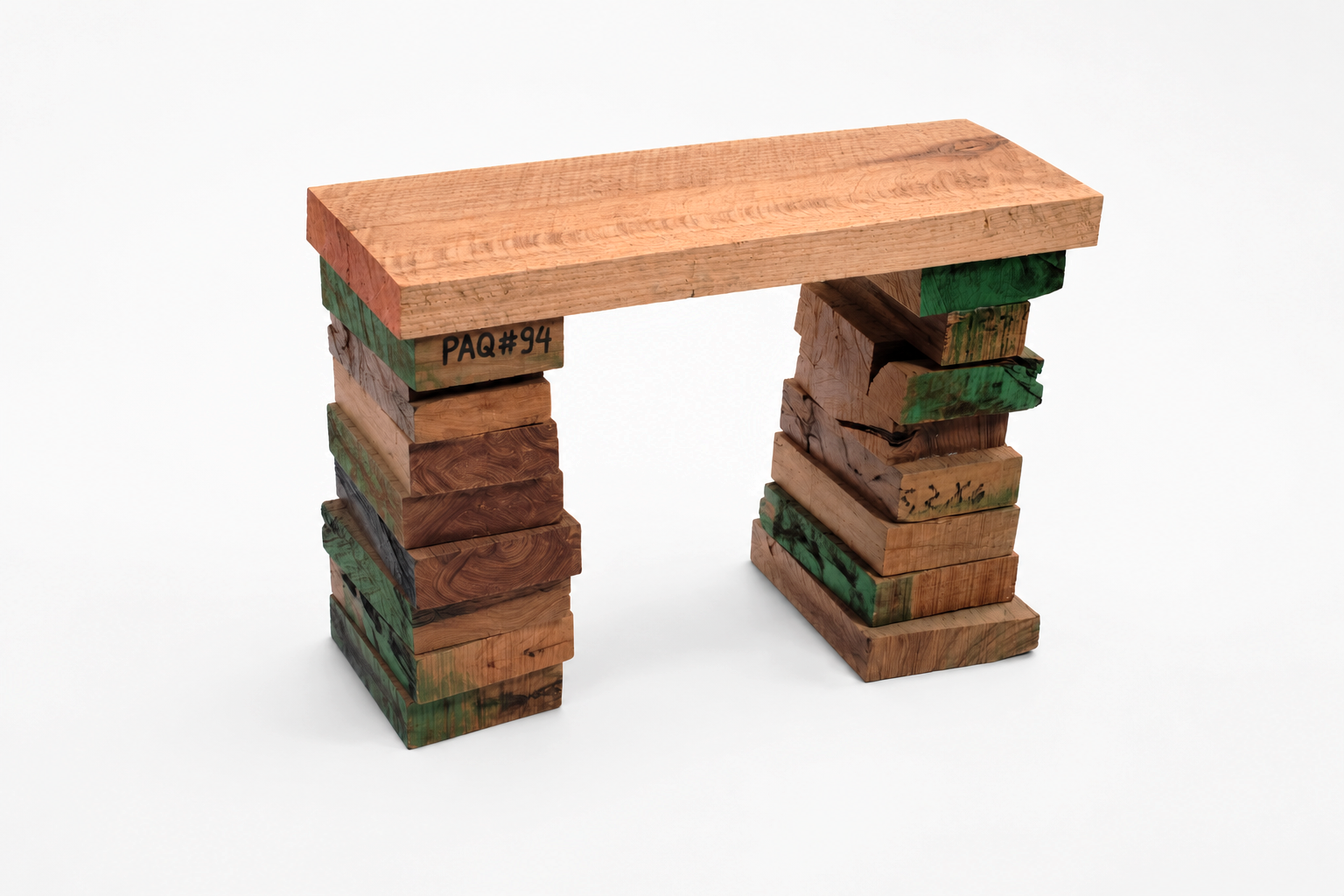
Mediante procesos de selección, acumulación y reensamble, estos elementos se observan no como residuos, sino como materia todavía disponible. La forma no parte necesariamente de un dibujo predeterminado: puede surgir de las dimensiones, los pesos, las vetas, las texturas y las posibilidades de unión encontradas durante el proceso. La función —mesa, banco, soporte u objeto doméstico— aparece como una posibilidad de la forma, sin cancelar su presencia escultórica.
El proyecto revisa también lo vernáculo, no como un estilo fijo, sino como una inteligencia situada: formas de construir que responden a los recursos disponibles, al conocimiento transmitido, a la necesidad y al contexto. Cada reensamble reúne distintas procedencias dentro de una nueva estructura y conserva la memoria material de la fábrica.
Materia no busca establecer una serie repetible, sino ensayar continuamente otras relaciones entre fragmento y totalidad, descarte y permanencia, función y presencia escultórica.
Paula Silva-Ruvalcaba
Materia, 2025
Serie de objetos y mobiliario escultórico
Fragmentos y sobrantes de maderas diversas, seleccionados y ensamblados
Dimensiones variables
Piezas únicas
MATERIA
Materia is an open-ended research project on form, developed from fragments of valuable woods that remain after the production processes of Fábrica de Muebles 1984. Offcuts, tests, and incomplete pieces retain the traces of other objects, decisions, and moments within the workshop.
Through processes of selection, accumulation, and reassembly, these elements are approached not as waste, but as matter that remains available. Form does not necessarily begin with a predetermined drawing: it may emerge from dimensions, weights, grains, textures, and the possibilities of joining discovered throughout the process. Function—a table, bench, support, or domestic object—appears as a possibility arising from form, without erasing its sculptural presence.
The project also revisits the vernacular, not as a fixed style, but as a form of situated intelligence: ways of building that respond to available resources, transmitted knowledge, necessity, and context. Each reassembly brings together different origins within a new structure while preserving the material memory of the factory.
Materia does not seek to establish a repeatable series, but rather to continually test other relationships between fragment and whole, discard and permanence, function and sculptural presence.
Paula Silva-Ruvalcaba
Materia, 2025
Series of sculptural objects and furniture
Selected and assembled fragments and offcuts of assorted woods
Variable dimensions
Unique pieces